
Home saunas and cold plunge tubs for UK homes
Heat, then cold.
At home.
From fold-away steam tents to garden barrel saunas and chilled cedar plunge tubs. Find the one that fits your home.
Start with where it’ll go.
Every link goes to the product on Amazon UK, where you’ll see today’s price, delivery and reviews. As an Amazon Associate I earn from qualifying purchases.
- In the gardenA spruce barrel sauna on a deck, or an insulated tent heated by a wood stove.See outdoor saunas
 In a spare room or garageA wooden cabin. Infrared models usually run from a normal socket; traditional heaters often need their own circuit.See indoor cabins
 In a flat, or short on spaceA pop-up steam tent that plugs in, warms up quickly and folds away after use.See portable steam saunas
Then, how often will you plunge?
 Now and thenAn insulated or inflatable tub. Fill it with cold water and ice when you want a plunge.See plunge tubs
 Most daysAdd a chiller to a tub. It keeps the water at a set temperature and filters it, so no more ice runs.See chillers
 Every day, with no fussA cedar plunge tub with the chiller built in. Always cold, always ready.See chilled plunge tubs
Home saunas
Infrared and traditional sauna cabins for a spare room or garage, garden barrel, cube and tent saunas, portable saunas that fold away, and accessories.
Indoor sauna cabins
Hemlock and cedar cabins, infrared or traditional with a Harvia heater.
-

Indoor cabin
SaunaMed 1 Person Hemlock FAR Infrared Home Sauna Cabin
View on Amazon (opens in a new tab) -

Indoor cabin
SaunaMed 2 Person Hemlock FAR Infrared Home Sauna Cabin
View on Amazon (opens in a new tab) -
Indoor cabin
SaunaMed 4–6 Person Hemlock FAR Infrared Home Sauna Cabin
View on Amazon (opens in a new tab) -

Indoor cabin
SaunaMed 2 Person Traditional Sauna Cabin, Harvia Vega 3.5kW
View on Amazon (opens in a new tab) -

Indoor cabin
SaunaMed 1 Person Cedar FAR Infrared Home Sauna Cabin
View on Amazon (opens in a new tab) -

Indoor cabin
SaunaMed 3 Person Traditional Indoor Sauna, Harvia Vega 6kW
View on Amazon (opens in a new tab) -

Indoor cabin
SaunaMed 6 Person Traditional Indoor Sauna Cabin
View on Amazon (opens in a new tab) -

Indoor cabin
SaunaMed 4 Person Classic FAR Infrared Indoor Sauna, 13A Plug & Play
View on Amazon (opens in a new tab) -
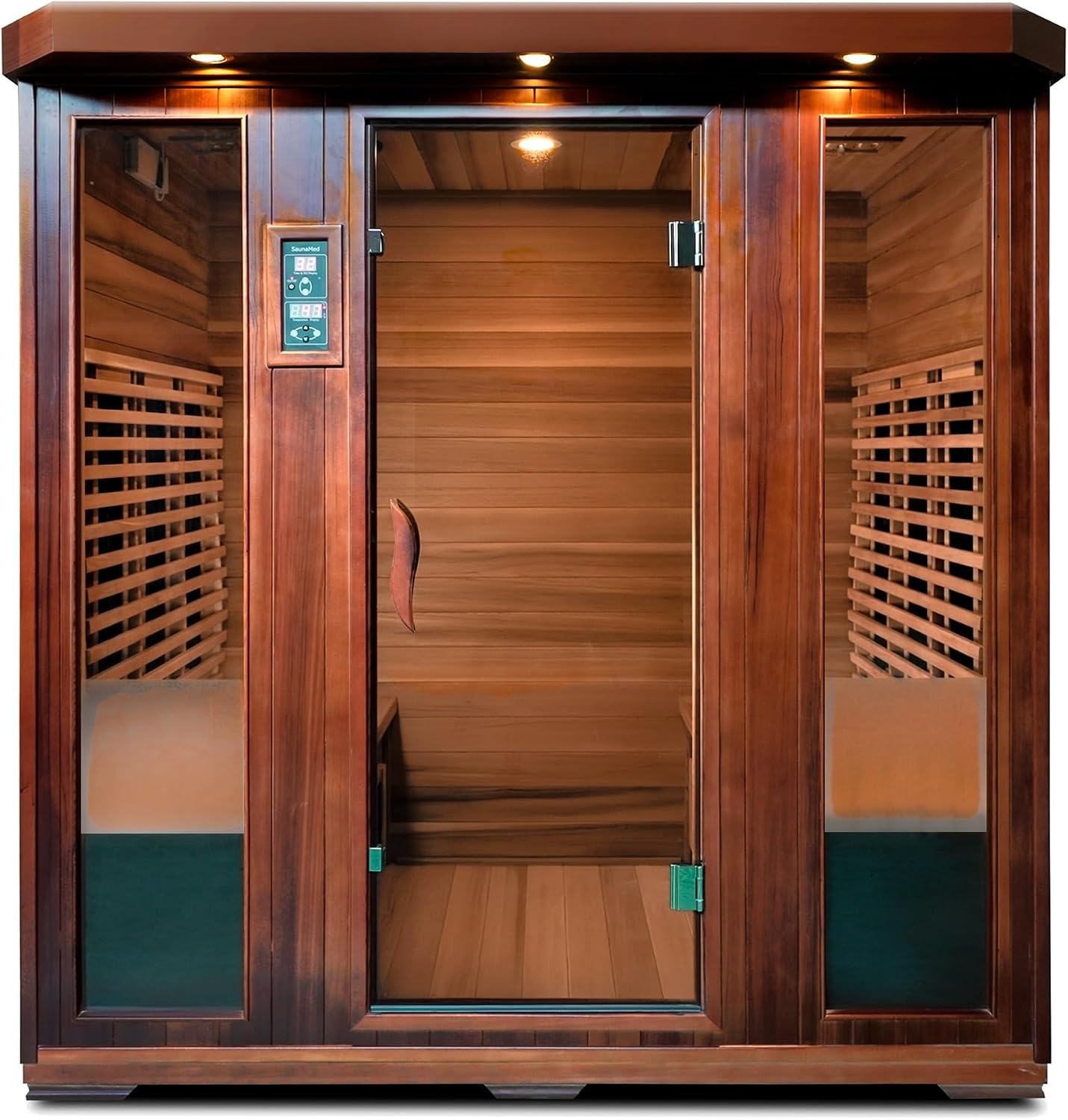
Indoor cabin
SaunaMed 4 Person Cedar FAR Infrared Home Sauna Cabin
View on Amazon (opens in a new tab)
Outdoor saunas
Barrel, cube and cabin saunas for the garden, from 1–2 person barrels to a cabin with a changing room, plus tents heated by a wood stove.
-
Outdoor barrel sauna
Smartmak 2 Person Outdoor Barrel Sauna, Canadian Spruce, 4.5 kW Heater
View on Amazon (opens in a new tab) -

Outdoor barrel sauna
Vidalux 2 Person Traditional Barrel Sauna
View on Amazon (opens in a new tab) -

Outdoor barrel sauna
KeiCo 160 Outdoor Barrel Sauna, 1–2 Person, Nordic Spruce or Thermowood
View on Amazon (opens in a new tab) -

Outdoor barrel sauna
ZONEMEL Outdoor Barrel Sauna, 2 Person, Harvia 4.5 kW Heater
View on Amazon (opens in a new tab) -

Outdoor cube sauna
Smartmak Outdoor Cube Sauna, 2 Person, Canadian Hemlock, 4.5 kW Heater
View on Amazon (opens in a new tab) -

Outdoor cube sauna
KeiCo ICON 200 Spruce Cube Sauna, 2–4 Person, Full Glass Door
View on Amazon (opens in a new tab) -

Outdoor infrared cabin
SaunaMed Outdoor 3 Person Full Spectrum Infrared Sauna Cabin, Black Edition
View on Amazon (opens in a new tab) -
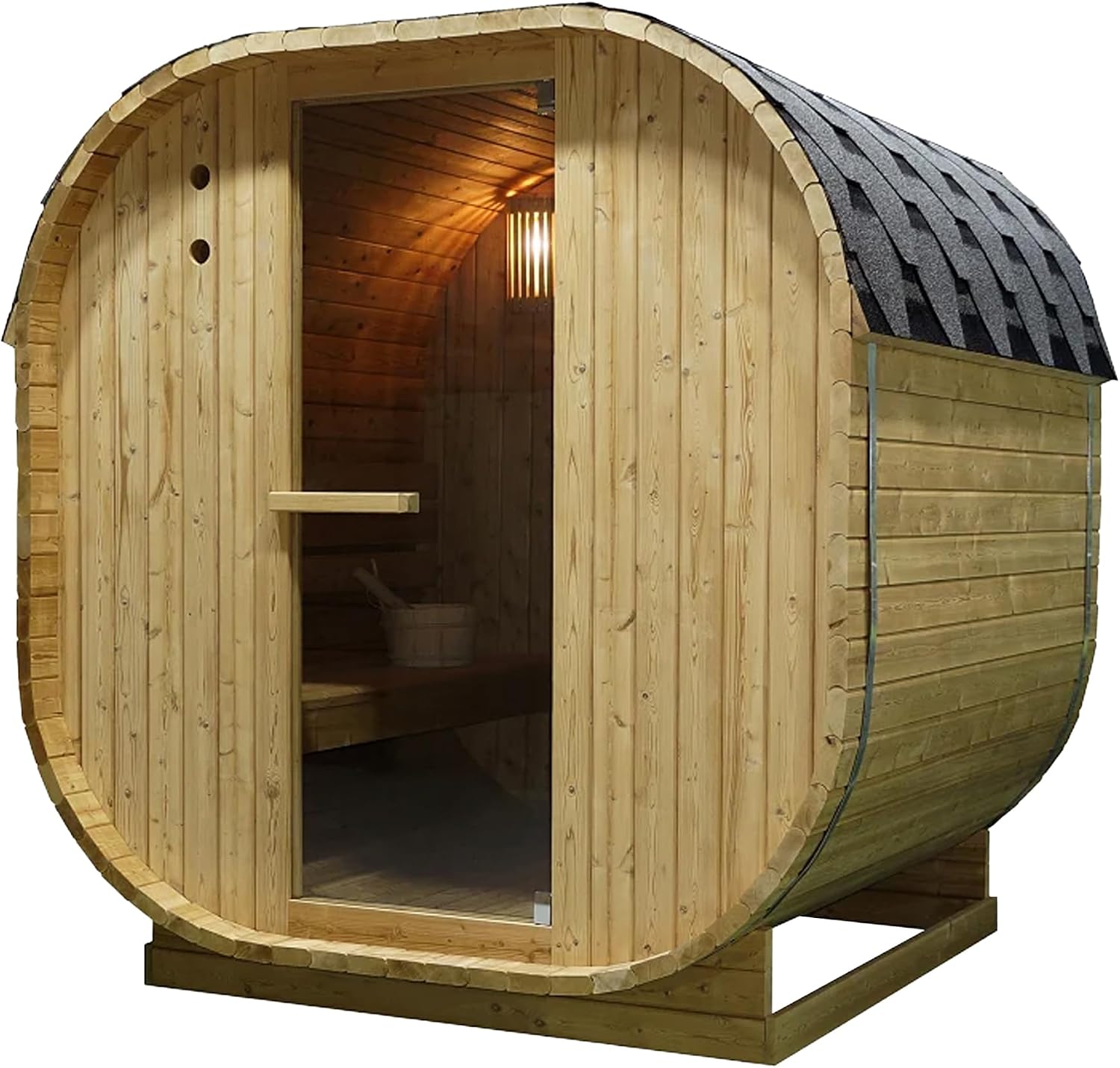
Outdoor barrel sauna
Canadian Spa Co. Oval Barrel Sauna, Infrared and Traditional Combination
View on Amazon (opens in a new tab) -

Outdoor barrel sauna
KeiCo Wellness 250 Outdoor Barrel Sauna, 4 Person with Porch
View on Amazon (opens in a new tab) -

Outdoor barrel sauna
Home Deluxe Hygge Deluxe Garden Barrel Sauna, approx. 230 × 220 cm
View on Amazon (opens in a new tab) -

Outdoor sauna cabin
Waltons Outdoor Sauna with Changing Room and Veranda
View on Amazon (opens in a new tab) -
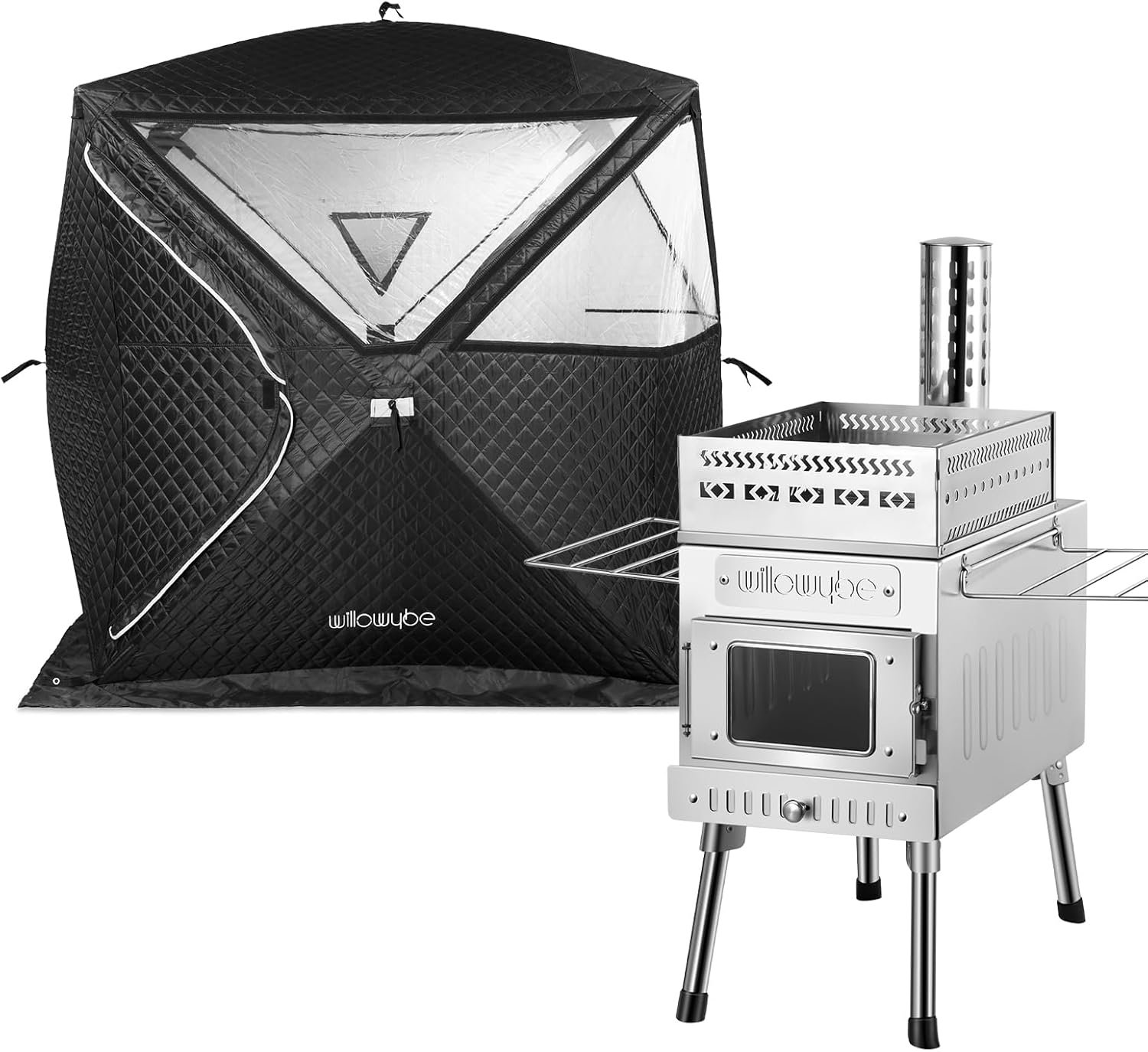
Outdoor tent sauna
WILLOWYBE Portable Outdoor Sauna Set with Wood Stove
View on Amazon (opens in a new tab) -
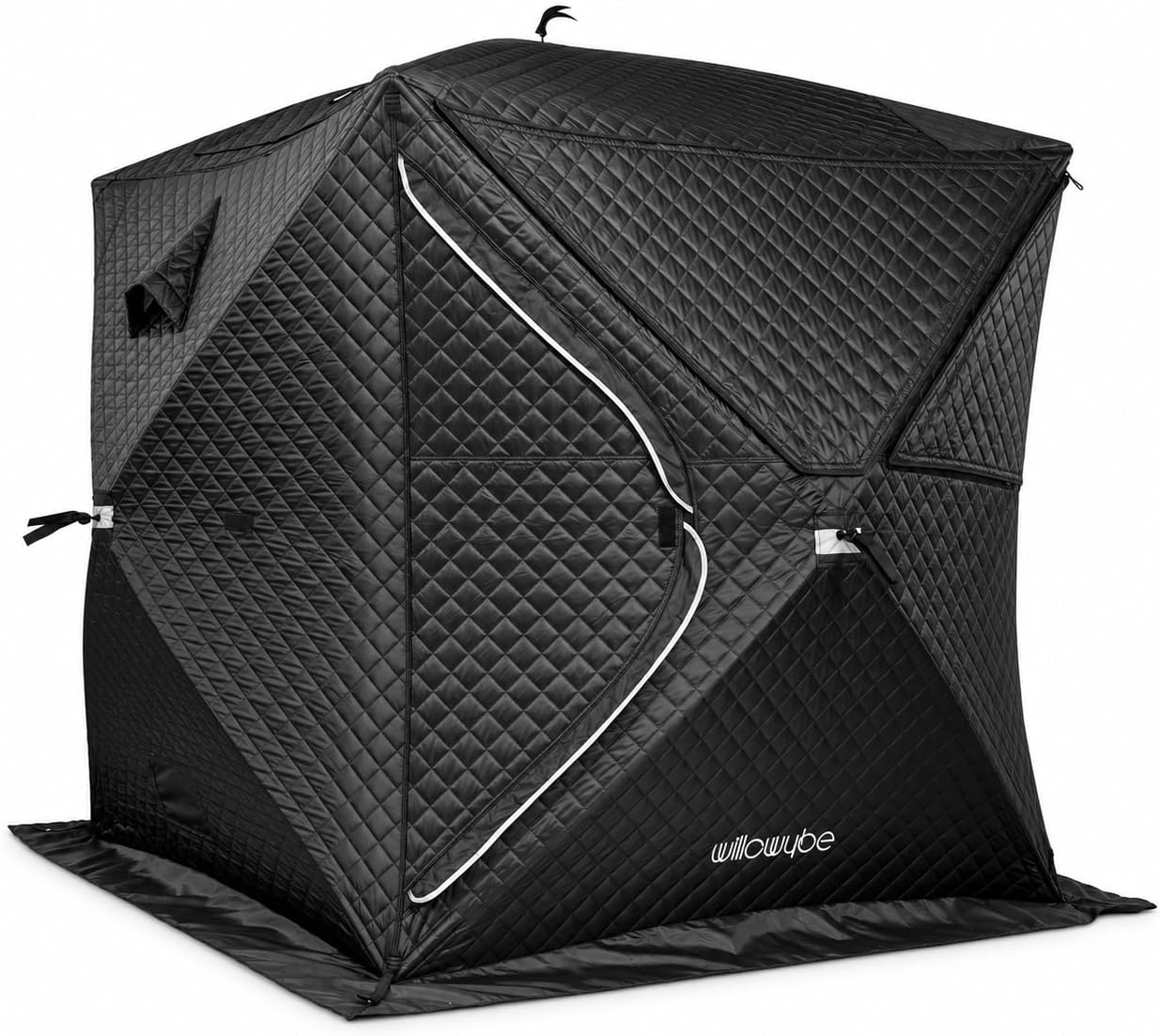
Outdoor tent sauna
WILLOWYBE Outdoor Sauna Tent Pro, 4-Person
View on Amazon (opens in a new tab)
Portable saunas
Pop-up steam and infrared tents. They plug in and pack away after use.
-

Portable steam sauna
ThermoLab AuraCore Pop-Up Steam Sauna with Infrared Light
View on Amazon (opens in a new tab) -

Portable steam sauna
ThermoLab AuraCore 6FT Steam Sauna with Infrared Light
View on Amazon (opens in a new tab) -

Portable steam sauna
Runitude Portable Sauna Steam Pop-Up Tent
View on Amazon (opens in a new tab) -

Portable steam sauna
SereneLife Portable Home Sauna Tent (SLISAU35BK)
View on Amazon (opens in a new tab) -
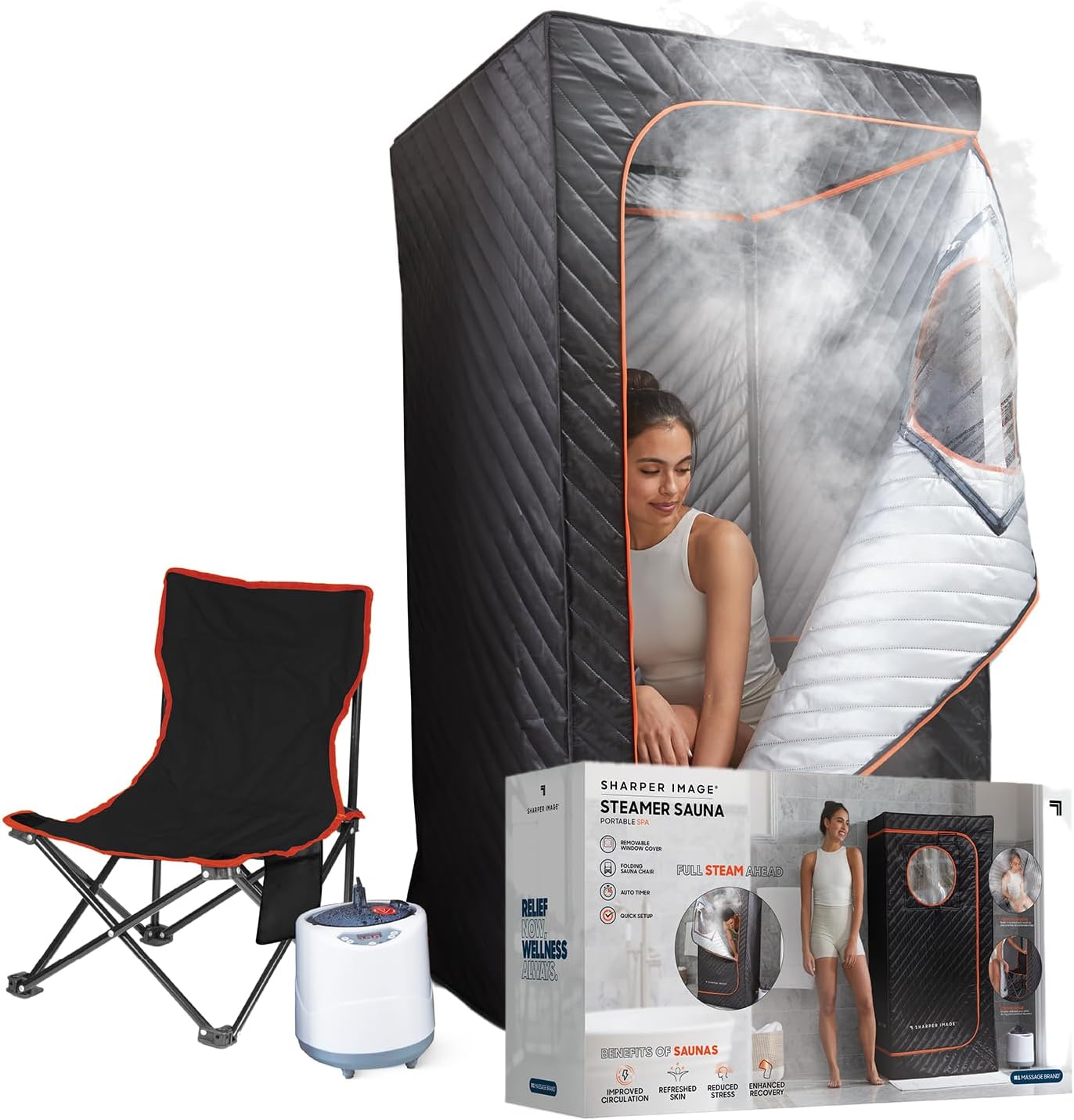
Portable steam sauna
Sharper Image Steamer Sauna Portable Spa
View on Amazon (opens in a new tab) -

Portable steam sauna
SereneLife Portable Infrared Steam Sauna Tent
View on Amazon (opens in a new tab) -

Portable steam sauna
SereneLife Portable Steam Sauna for Home, 1600W
View on Amazon (opens in a new tab) -
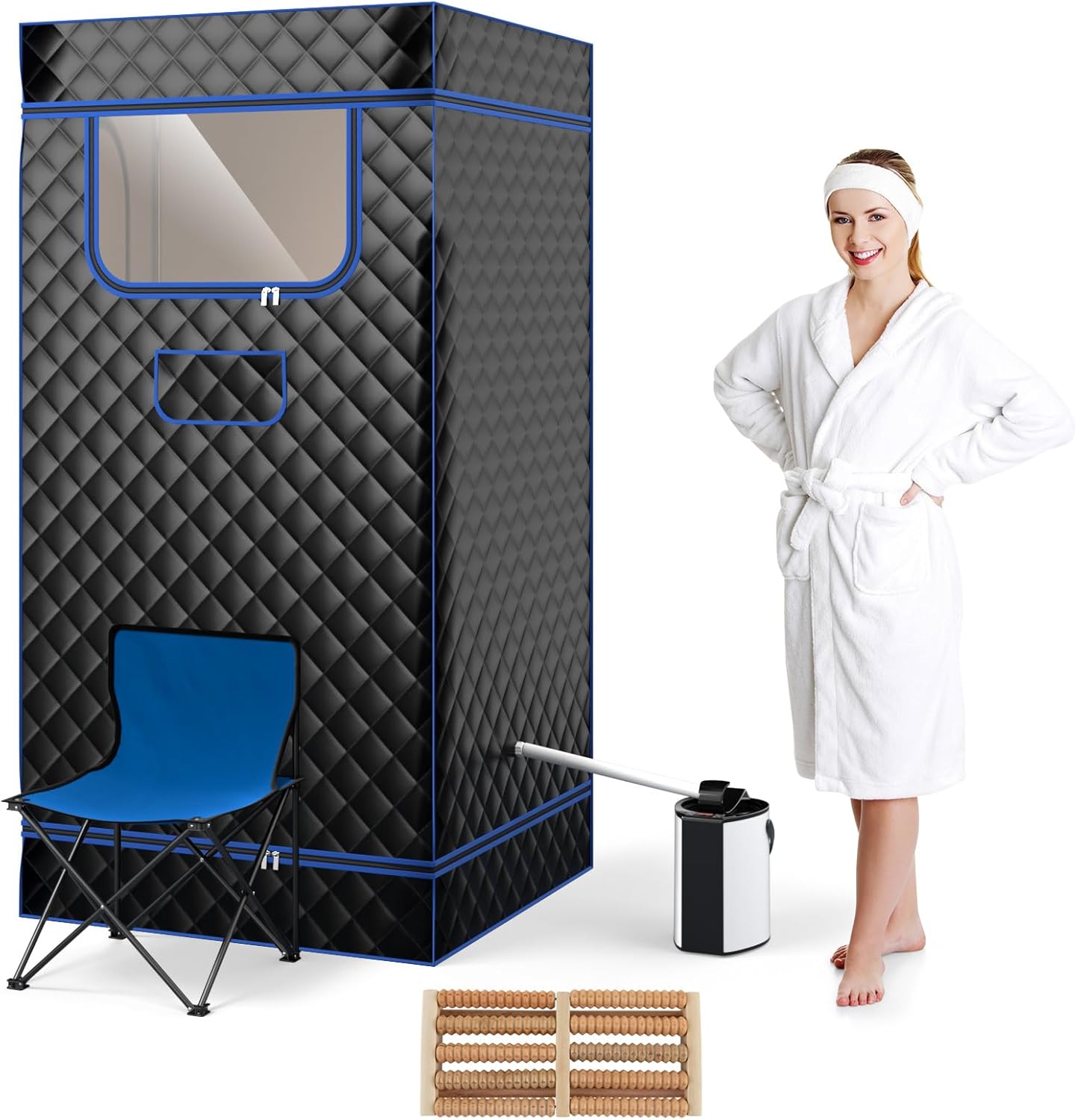
Portable steam sauna
HOMFME Portable Steam Sauna Tent with 3L Steamer
View on Amazon (opens in a new tab) -
Portable steam sauna
REVIIV Portable Sauna Tent with Ambient Light
View on Amazon (opens in a new tab) -

Portable steam sauna
Ryuhic Portable Steam Sauna Tent
View on Amazon (opens in a new tab) -

Portable steam sauna
Restisland 6FT Portable Steam Sauna, 3L Steamer
View on Amazon (opens in a new tab) -

Portable infrared sauna
Firzone Portable Infrared Sauna, Tourmaline Pro
View on Amazon (opens in a new tab) -

Portable infrared sauna
SereneLife Portable Infrared Sauna Tent with Heated Foot Pad
View on Amazon (opens in a new tab)
Sauna accessories
Buckets, ladles, thermometers and backrests for any sauna.
-

Sauna accessory
ALPENHAUCH Wooden Sauna Bucket with Ladle
View on Amazon (opens in a new tab) -
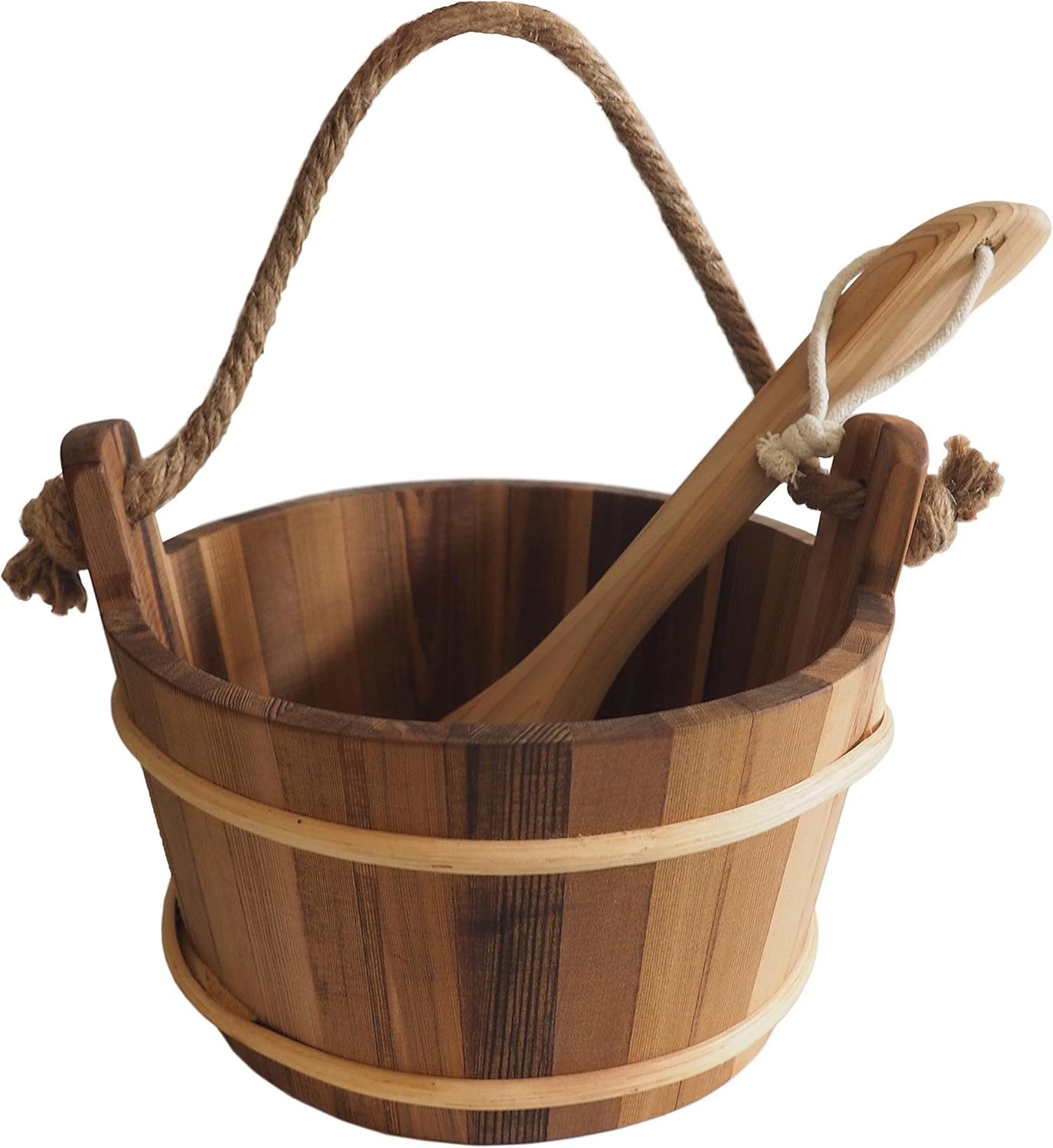
Sauna accessory
HSE Red Cedar Sauna Bucket & Ladle, 4L
View on Amazon (opens in a new tab) -

Sauna accessory
Harvia Stainless Steel Sauna Set: Bucket, Ladle, Thermometer, Hygrometer
View on Amazon (opens in a new tab) -

Sauna accessory
Red Cedar 3-Piece Sauna Kit: Bucket, Ladle, Thermo-Hygrometer
View on Amazon (opens in a new tab) -

Sauna accessory
vidaXL 5-Piece Sauna Accessory Set with Hourglass and Thermo-Hygrometer
View on Amazon (opens in a new tab) -

Sauna accessory
ALPENHAUCH Wooden Sauna Backrests, Pack of 2
View on Amazon (opens in a new tab)
One round, done well.
Heat, then cold, then rest. Repeat two or three times; many people like to finish on cold.
- 15–20 min
Heat
Around 70–90 °C in a traditional sauna, or 45–60 °C in an infrared cabin. Leave when you’ve had enough, not when the timer says.
- 1–3 min
Cold
Water at 10–15 °C is plenty to start. Lower yourself in slowly and keep your breathing long and even.
- 10 min
Rest
Sit somewhere warm, drink some water, and let your heart rate settle before the next round.
General guidance, not medical advice. If you’re pregnant, or have a heart condition or high blood pressure, check with your GP first. Read the cold plunge guide →
Cold plunge tubs & ice baths
Ice baths you fill with cold water and ice, cedar plunge tubs with a chiller built in, and chillers you can add to a tub later.
Chilled plunge systems
Cedar tubs with a chiller built in, holding the water cold for you.

Plunge tubs
Insulated and inflatable tubs. Fill with ice, or add a chiller later.
-
Cold plunge tub
The Cold Pod 320L Portable Cold Plunge Tub
View on Amazon (opens in a new tab) -

Cold plunge tub
VEVOR Portable Ice Bath Tub, 97.7 Gallon
View on Amazon (opens in a new tab) -

Cold plunge tub
Nebula Cold Plunge Tub, 400L with Secure Lid
View on Amazon (opens in a new tab) -

Cold plunge tub
Arctic Performance 400L XL Ice Bath Tub
View on Amazon (opens in a new tab) -

Cold plunge tub
Replenished 370L Portable Cold Plunge Tub
View on Amazon (opens in a new tab) -

Cold plunge tub
The Cold Pod 440L Cold Plunge Tub with Cover
View on Amazon (opens in a new tab) -
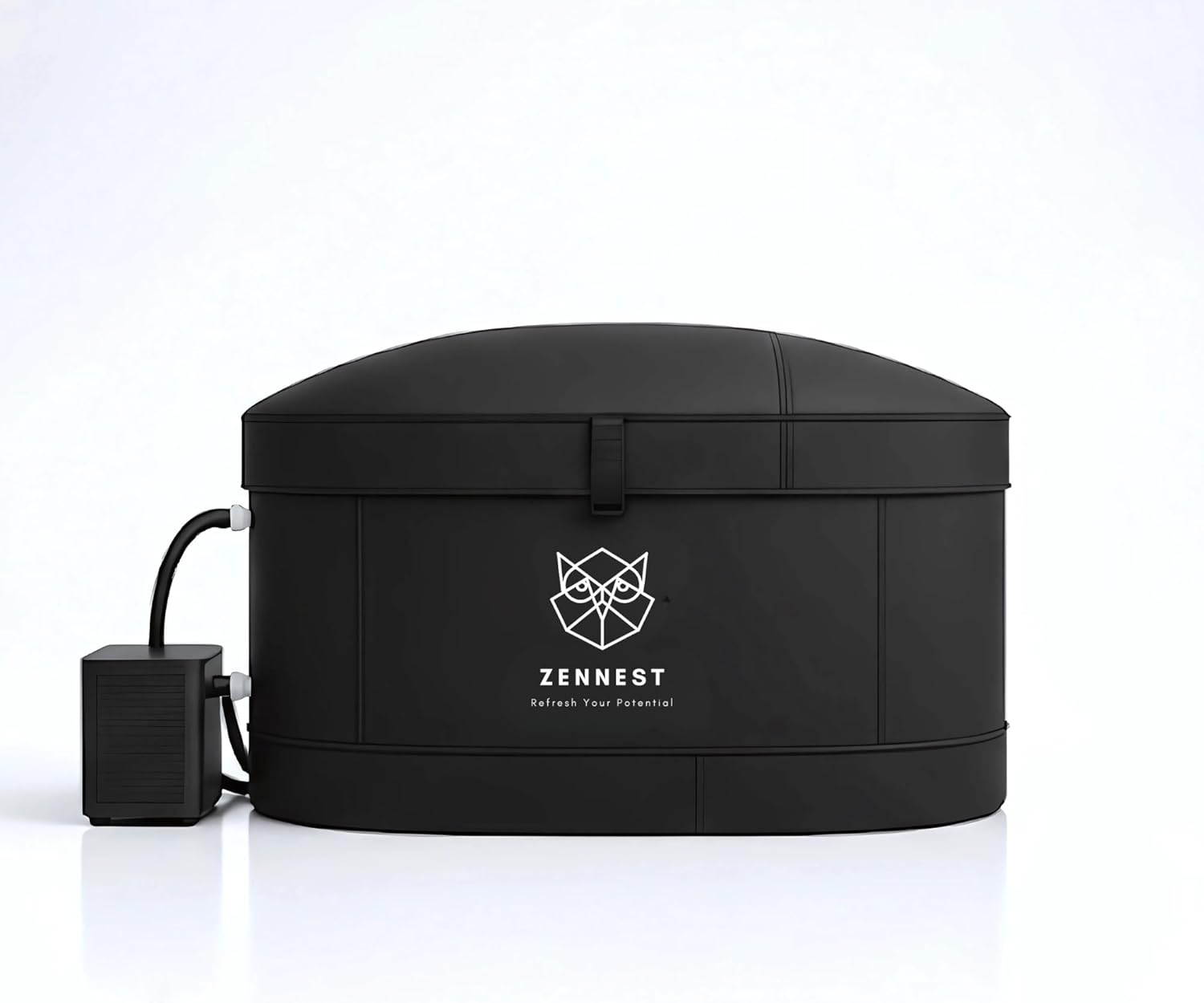
Cold plunge tub
Cold Plunge Tub 140 Gallon XL Inflatable, Chiller Ready
View on Amazon (opens in a new tab) -

Cold plunge tub
The Cold Pod Insulated 320L Ice Bath Bundle
View on Amazon (opens in a new tab) -

Cold plunge tub
The Pod Company Ice Pod Pro, 416L
View on Amazon (opens in a new tab) -

Cold plunge tub
LyfeFocus Cold Therapy Ice Bath Tub, 120cm
View on Amazon (opens in a new tab) -

Cold plunge tub
Ice Bath Tub for Athletes, Inflatable with Cover
View on Amazon (opens in a new tab) -

Cold plunge tub
Lay-Z-Spa Glacial Dip Ice Bath, 1–2 Person
View on Amazon (opens in a new tab)
Chillers and accessories
Chillers, covers and insulation for a tub you already have.
-
Chiller and accessory
Ice Bath Chiller Kit with Pump and Filter
View on Amazon (opens in a new tab) -

Chiller and accessory
Ice Bath Chiller with Filter and Pump
View on Amazon (opens in a new tab) -

Chiller and accessory
Cold Plunge Chiller, 1/3HP with Pump and Filter
View on Amazon (opens in a new tab) -

Chiller and accessory
Water Chiller for Cold Plunge Tubs, 600W
View on Amazon (opens in a new tab) -

Maintenance and accessory
Cold Plunge Insulated Filter Housing Sleeve
View on Amazon (opens in a new tab) -

Cover and accessory
Arctic Armour Ice Bath Cover, 100 Gallon Oval Tank
View on Amazon (opens in a new tab)
Three things to check first.
Power
Infrared cabins and steam tents usually run from a normal socket. Traditional heaters of 6 kW and above usually need their own circuit fitted by an electrician. Check the listing for the heater rating.
Space
Measure the floor and the ceiling height, and the doorways the boxes have to pass through. Cabins arrive flat-packed and are assembled where they stand.
Keeping it cold
A tub without a chiller needs ice every session. A chiller holds the water at a set temperature, filters it, and is worth it if you plunge most days.
Home sauna and cold plunge FAQs
Is a home sauna worth it?
It is if you’ll use it most weeks. Compare the price with what you spend on spa or gym sauna visits, and check you have the space and the right power supply before you buy. Our home sauna buying guide walks through both.
Do home saunas use a lot of electricity?
Infrared cabins and steam tents use about 1 to 2 kW, so an hour costs roughly 25p to 50p at 25p per kWh. Traditional heaters of 4.5 to 9 kW use more, mostly while the room heats up.
How long should you stay in a sauna?
Around 15 to 20 minutes is typical. Leave sooner if you feel dizzy or unwell, and drink water between rounds.
How long should you cold plunge?
For beginners, 1 to 3 minutes in water at 10 to 15 °C is plenty. You don’t need the water near freezing to feel the effect. More in our cold plunge guide.
What’s the difference between an ice bath and a cold plunge?
They’re the same idea: sitting in cold water. An ice bath usually means a tub you cool with ice; a cold plunge often means a tub with a chiller that keeps the water cold for you.
Do I need planning permission for a garden sauna?
In England most garden saunas count as outbuildings under permitted development, so planning permission is usually not needed if you stay within the height and size limits. Listed buildings and conservation areas have stricter rules, so check with your council.